



Français
Français English العربية Български বাংলা Čeština Dansk Deutsch Español فارسی Ελληνικά עִבְרִית हिन्दी Magyar Italiano 日本語 한국어 Lietuvių kalba Latviešu valoda Bahasa Melayu ਪੰਜਾਬੀ Română Русский Slovenčina Српски језик Shqip Svenska Українська Türkçe اردو 香港中文 Norsk bokmål සිංහල தமிழ்
Skip to content
Logo de Fragile X International
  • À propos de l'X fragile
      La condition
      • Syndrome de l'X fragile
      • Les points forts du syndrome de l'X fragile
      • Diagnostiquer le syndrome de l'X fragile
      • Thérapies non médicales pour le syndrome de l'X fragile
      La personne
      • Aider une personne atteinte du syndrome de l'X fragile
      • Les filles atteintes du syndrome de l'X fragile
      • La sexualité
      • Autonomie et consentement
      la famille
      • Génétique du X fragile
      • "Les états de santé associés à la prémutation de l'X fragile" 
      Plus d'informations
      • Activités de pause mouvement
      • FAQ
      • Cliniques de l'X fragile par pays
      • Ressources
  • À propos de nous
    • Associations familiales par pays
    • Histoires de famille
    • Devenir membre
    • Conseil d'administration
    • Conseil scientifique
  • Nouvelles et événements
    • Nouvelles et mises à jour
    • Journée internationale de sensibilisation au change
    • Journée de don FraXI 2025
    • Congrès international sur l'X fragile
    • Le 28 février est la journée des maladies rares
  • Recherche
    • Nos recherches
    • Nouvelles de la recherche
    • Possibilités de recherche
  • Soutenez-nous
    • Donner
    • Parrainage
    • Collecte de fonds
  • Contact
Faire un don
Logo de Fragile X International
  • À propos de l'X fragile
    • Syndrome de l'X fragile
    • Les points forts du syndrome de l'X fragile
    • Diagnostiquer le syndrome de l'X fragile
    • Thérapies non médicales pour le syndrome de l'X fragile
    • Aider une personne atteinte du syndrome de l'X fragile
    • Les filles atteintes du syndrome de l'X fragile
    • La sexualité
    • Autonomie et consentement
    • Génétique du X fragile
    • "Les états de santé associés à la prémutation de l'X fragile" 
    • Activités de pause mouvement
    • FAQ
    • Cliniques de l'X fragile par pays
    • Ressources
  • À propos de nous
    • Associations familiales
    • Histoires de famille
    • Devenir membre
    • Conseil d'administration
    • Conseil scientifique
  • Nouvelles et événements
    • Nouvelles et mises à jour
    • Journée internationale de sensibilisation au change
    • Journée de don FraXI 2025
    • Congrès international sur l'X fragile
    • Le 28 février est la journée des maladies rares
  • Recherche
    • Nos recherches
    • Nouvelles de la recherche
    • Possibilités de recherche
  • Soutenez-nous
    • Donner
    • Parrainage
    • Collecte de fonds
  • Contact
  • New Link
  • [email protected]
  • RPM Bruxelles 0776.532.015
  • Researchers dive deep into relationships between anxiety and Intolerance of Uncertainty in Fragile X Syndrome In a study supported by the Baily Thomas Charitable Fund, Cerebra and the Cornelia de Lange Syndrome Foundation UK and Ireland, a group of researchers has contrasted the relationship between anxiety and Intolerance of Uncertainty in Fragile X Syndrome (FXS) and Cornelia de Lange Syndrome (CdLS). You can read the full article by Smith et al here, but if you want a shorter version about the FXS-specific findings, please keep reading this blog. Approximately 30% of males with FXS meet the diagnostic criteria for a separate diagnosis of co-occurring autism. However, the subtle differences in the presentation and severity of autistic characteristics in people with FXS and CdLS compared with those with nonsyndromic autism is under-studied. For example, boys with FXS are less likely to display differences in social reciprocity (e.g., social smiling) compared with autistic boys of the same age. This suggests that, despite similarities in characteristics, nuanced differences in autism presentation may make it challenging to differentiate autism from the inherent behavioural phenotype of rare genetic syndromes, yet it also affords the opportunity to examine the relationship between profiles of autistic characteristics and anxiety. What is the Intolerance of Uncertainty? The Intolerance of Uncertainty may explain the relationship between autism and anxiety in FXS. It is characterised by distress or difficulty functioning during uncertain or unpredictable situations, a strong preference for predictability, and cognitive or behavioural paralysis or inhibition. It has been identified as an important risk factor for the development and maintenance of anxiety in the general population and has been implicated as a critical factor underpinning anxiety. Understanding the relationship between the Intolerance of Uncertainty and anxiety in FXS is important for the development of tailored interventions to reduce anxiety in rare genetic syndromes associated with intellectual disability. Findings of the study The results from the study suggest that the relationship between autistic characteristics, anxiety and levels of Intolerance of Uncertainty (IU) differs for people with CdLS and males with FXS. While the CdLS and FXS groups did not differ in autistic characteristics, anxiety symptom severity or levels of IU, levels of IU fully mediated the relationship between autism characteristics and anxiety symptom severity for the CdLS group, but not for the FXS group. This means that when compared to the effects of IU in those with FXS, participants with CdLS showed greater levels of IU impact in the relationship between autism and anxiety.These findings improve our understanding of the autism–anxiety relationship and can inform future research directions, as well as potential new interventions and theoretical frameworks, improving quality of life for individuals with rare genetic syndromes and their families.

    Researchers dive deep into relationships between anxiety and Intolerance of Uncertainty in Fragile X Syndrome 

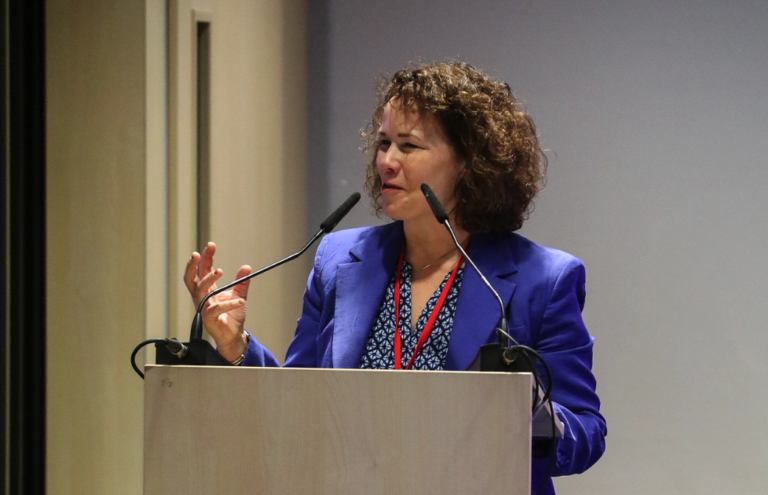
  • Kirsten Johnson speaking from a podium

    FraXI at the 13th European Conference on Rare Diseases & Orphan Products (ECRD 2026)

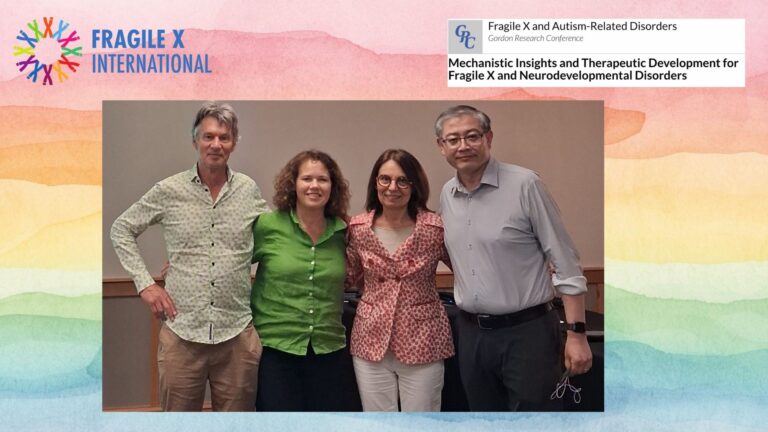
  • Prof Frank Kooy, Dr. Kirsten Johnson. Prof Claudia Bagni and Prof Peng Jin smiling for the camera

    Reporting from the Gordon Research Conference: Mechanistic Insights and Therapeutic Development for Fragile X and Neurodevelopmental Disorders

  • Boy with FXS shows a thumbs up

    FraXI publishes position paper on the direction of future research and clinical efforts

  • A boy walks away from the photographer at a lake.

    US-based research on caregivers – perceived behavioural challenges in FXS

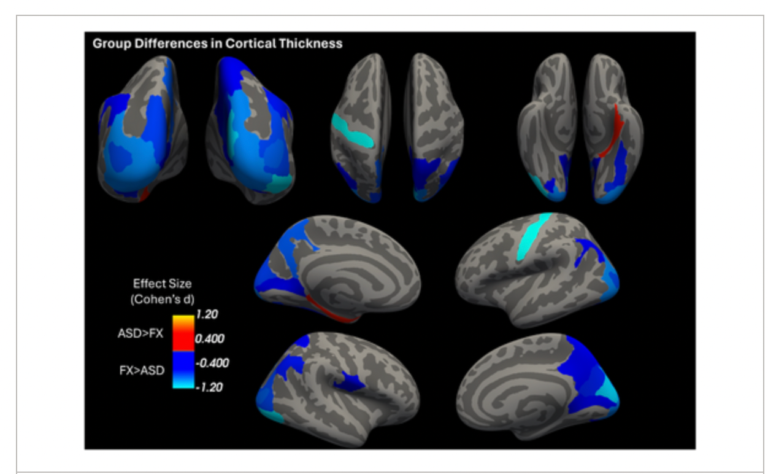
  • Significant group differences in cortical thickness between FXS and ASD

    New Study unpacks Cerebral Cortex Morphometry and Relaxometry in Male Children With Fragile X Syndrome and Autism

  • Woman turning away from camera

    U.S. Researchers develop educational tool for healthcare providers’ better understanding of women with Fragile X-associated primary ovarian insufficiency (FXPOI)

  • Pink flowers

    Gordon Research Conference (June 14-19, 2026, Maine, USA): Mechanistic Insights and Therapeutic Development for Fragile X and Neurodevelopmental Disorders

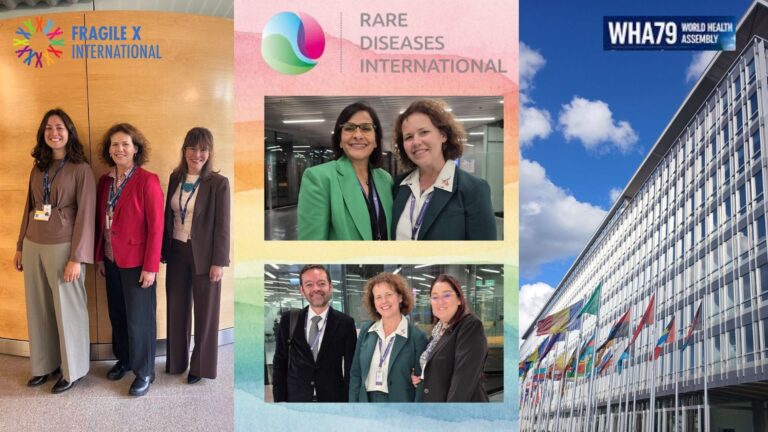
  • FraXI’s President Dr Kirsten Johnson at the 79th World Health Assembly

    FraXI’s President Dr Kirsten Johnson at the 79th World Health Assembly

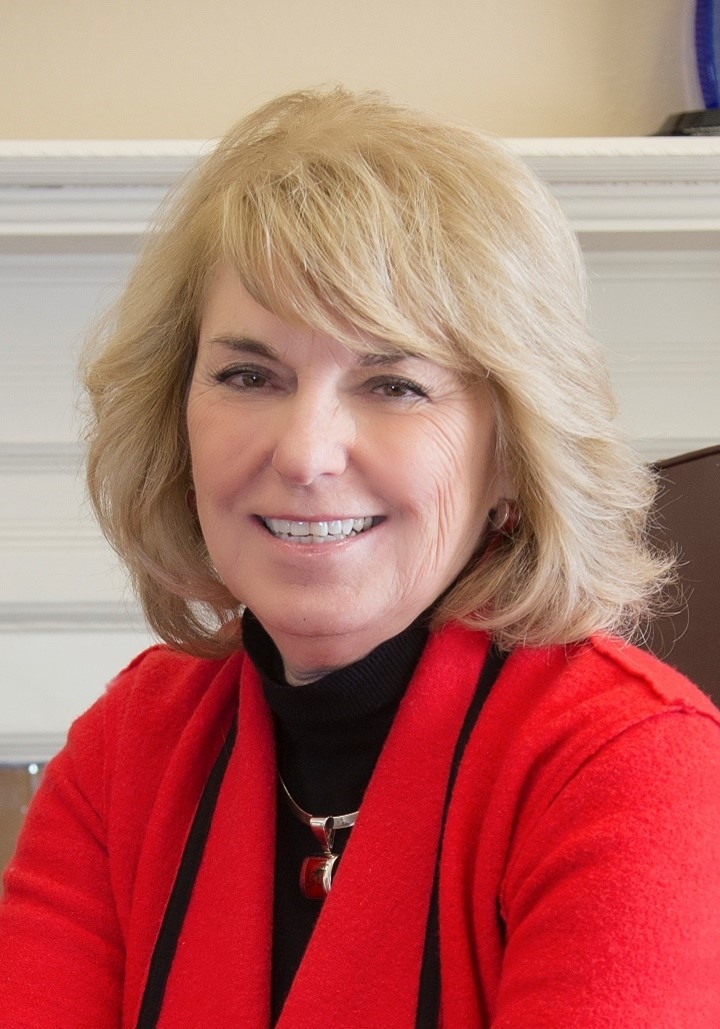
  • Marcia Braden smiling for the camera

    In Conversation with Dr Marcia Braden 

Navigation dans les pages

1 2 3 … 6 Page suivanteSuivant

Ce site web est traduit automatiquement à l'aide de l'IA. Si vous constatez une erreur de traduction, veuillez nous contacter.

Votre soutien peut faire la différence.

Si vous préférez faire un don par virement bancaire, nos coordonnées bancaires sont les suivantes : Fragile X International aisbl
IBAN : BE14 3631 4543 6483
BIC : BBRUBEBB

Faire un don

Fragile X International

Célébrer et soutenir les personnes atteintes du syndrome de l'X fragile et des états de santé associés à la prémutation de l'X fragile dans le monde entier.

  • Fragile X International aisbl - FraXI
  • Rue d'Egmont, 11 - 1000 Bruxelles - Belgique
  • [email protected]
  • RPM Bruxelles 0776.532.015
Visit Fragile X International on Facebook
Visit Fragile X International on LinkedIn
Visit Fragile X International on Instagram
Visit Fragile X International on TikTok
Logo de l'Internationale des maladies rares
Logo de Rare Diseases Europe

S'inscrire à notre liste de diffusion

Saisissez votre adresse électronique et recevez les dernières mises à jour de notre part. En communiquant votre adresse électronique, vous acceptez notre politique de confidentialité.

Politique de confidentialité | Plan du site