
- Noticias
- |
- Investigación
“Listening to my patients”: Interview with Dr Alice Montanaro on her PhD research
Published: 28 Abr 2026
Last year, we spoke to Dr Alice Montanaro on a new neuropsychological- cognitive behavioural therapy approach that she developed after intensively working with her patients. We managed to catch up with her again, right before she achieves a milestone in her research on Fragile X Syndrome and associated conditions. Alice has just submitted her doctoral thesis titled “From the assessment of atypical development to cognitive-behavioral intervention in individuals with Fragile X Syndrome and the FMR1 premutation: A translational psychological approach” at the University of Bari Aldo Moro. We sat down with her for a cosy afternoon chat about her journey, lessons learned, and what her future has in store.
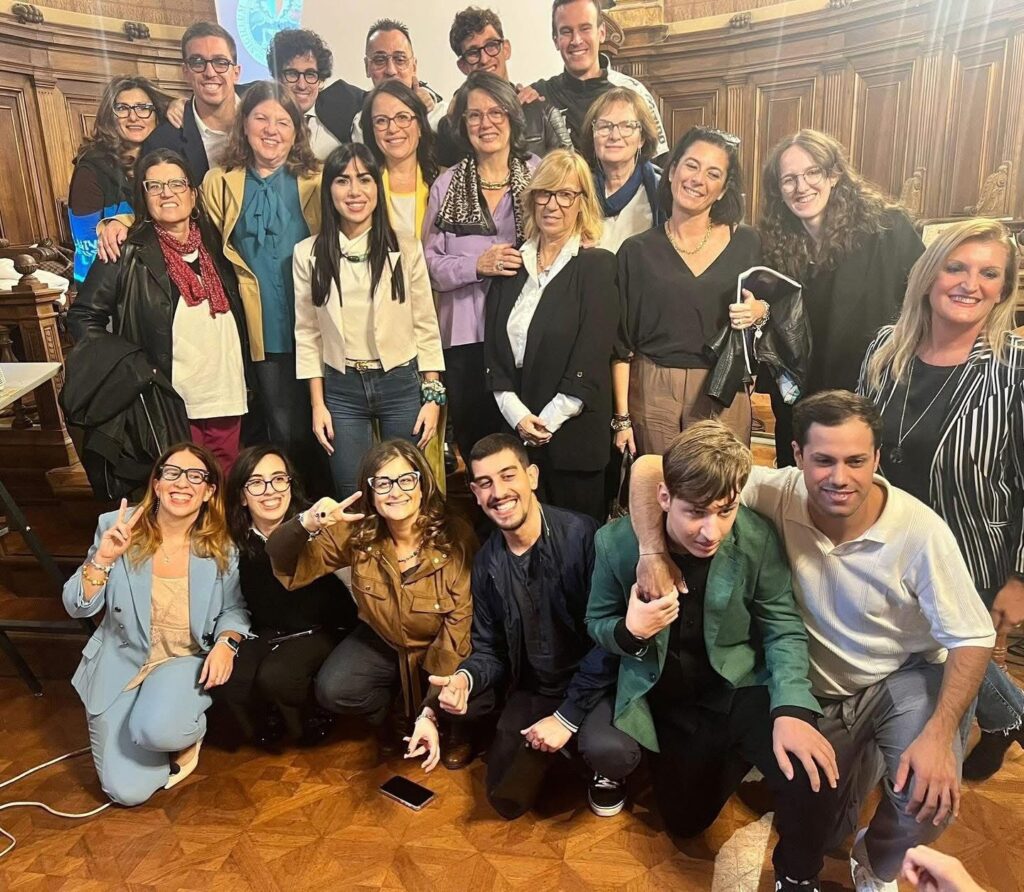
One thing that we have noticed about Alice is that whenever she talks about her patients, her face lights up. To her, her patients are not her subjects. They are not numbers that appear in her research. They are unique individuals with their own stories to tell, and she knows them inside out. Three years ago, when she began work on her doctorate, she decided that she would branch out and investigate the lived experiences of women living with the FMR1 Premutation gene. After sending out a flyer with the help of the Italian Association of Fragile X Syndrome inviting such women to participate in her research, Alice embarked on a project that was grounded in the relationships she would eventually build with them. She spent countless hours with these women, allowing them to come to her with their concerns and opinions when they felt ready. The last thing Alice wanted to do was to frighten them with the stress of answering personal questions in her first meeting with them. “I prioritised getting to know them as a person. As researchers and clinicians, we use medical terms to help us diagnose certain conditions. But I did not want my patients to feel that their identity was linked to these terms-that is never the case. I wanted to understand who they were, what they liked to do, what was causing them stress, and whether or not they were aware that the premutation gene not only affected their children but also themselves.” Once the women felt comfortable with the environment Alice had created for them, they felt confident in sharing their lived experiences with her.
“While I was collecting data, I introduced my patients to CBT techniques such as cognitive restructuring,” says Alice. “I taught them simple ways to de-stress and improve their mental health. We had a total of 8 sessions with each participant, and towards the end I could see that working on dysfunctional thoughts and airing out their worries, their mental health had greatly improved.”
For instance, participants were asked questions such as: “What would your life be like in five years if you didn’t change anything?” or “If someone you respect were in your position and facing the same problem, what would you advise them to do?” They were also encouraged to reflect on whether what they are doing today is bringing them closer to, or further away from the person they want to become. Answering these questions has triggered a process of change in many of them.
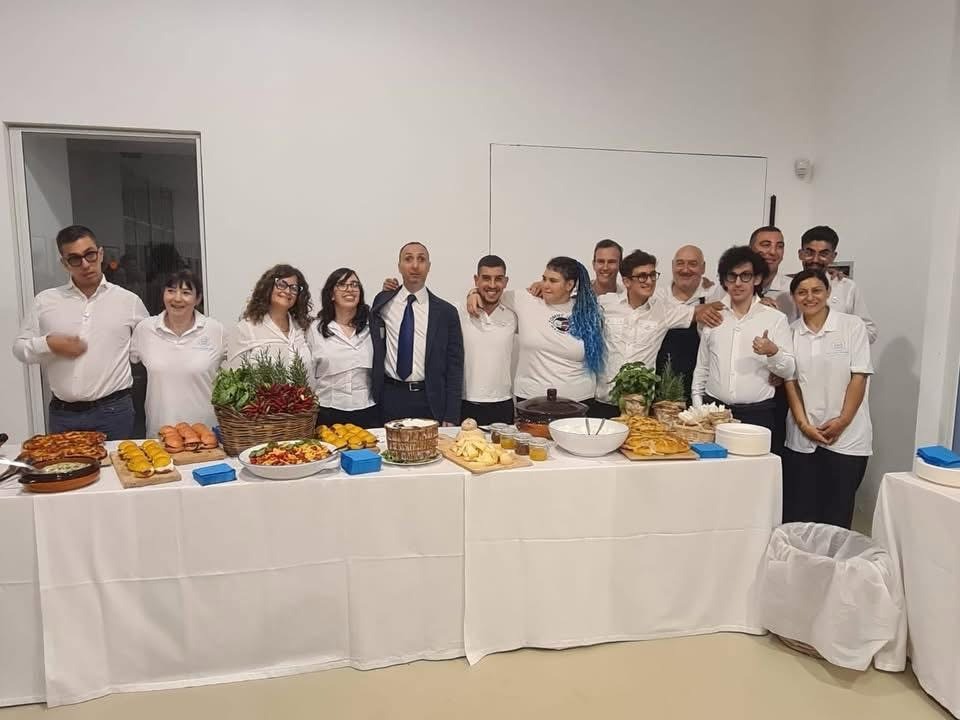
This observation resulted in a breakthrough in Alice’s research. “I discovered a shift in perspective, one in which assessment is no longer seen as a purely diagnostic step, but as a therapeutic opportunity in itself. By integrating scientific rigour with clinical practice,I focused on creating care pathways that are both evidence-based and realistically applicable within public health systems.” Her dissertation thus introduced the Fragile X Therapeutic Assessment (FRAX-TA), an innovative model that combines standardized psychological evaluation with a brief cognitive-behavioral intervention embedded within the assessment process. This approach transforms the clinical encounter into a collaborative and psychoeducational experience from the very beginning. The results show that even a single integrated session can lead to a reduction in psychological distress and depressive symptoms, suggesting that early, brief, and scalable interventions can have meaningful clinical impact.
We asked Alice what lessons she learned during the process of working on her project. She shared these important takeaways, which she hopes will not only inspire her future work but that of other researchers and newcomers in the field.
“Being on the inside”: From the first meeting itself, Alice made it clear to her patients that she had no intention of being a third-party observer with a clipboard, making notes about their symptoms. She wanted them to know that she wanted to walk in their shoes, to feel what they felt. Her approach was an empathetic one from the start, which allowed her patients to be their authentic selves with her. “My favourite question to ask them is ‘what do you want?’ I am here to help and I want to make a real difference in their lives. It is important to me that they feel that they can openly share how they would like to be supported by my research.”
“Mettere a disposizione il proprio tempo”: In Italian, this is a way of saying “my time is for you.” With FRAX-TA, Alice understood that a key change researchers and clinicians would have to make would be to allow their patients to be in control of the schedule. “A doctor’s agenda will not always match with the patient’s state of mind. I could never throw my schedule at my patients and say ‘Today I have only an hour with you, so please get everything off your chest before your time is up.’ It never works that way. You have to respect their time and way of managing it. When they are ready, they will come to you.”
“Listen”: The more her patients opened up to her, the more Alice realised that they wanted to be listened to and be heard. They wanted to work on their challenges together, and find a solution as a team. “Even if you have had the worst day in the world, greet your patients with a smile. You may not realise it, but there could be someone who has been waiting to talk to you. During this window, we must leave our personal troubles on the backburner because we never know how long a patient has been waiting for someone to listen to them,” she says.
We also asked Alice what she wants people living with FXS and associated conditions, especially women with the premutation, to learn from her work.
“We spend our lives thinking that we have one day more. In reality, we have one day less”: Alice wants the FXS community to know that their quality of life is of absolute importance. She encourages them to take control of their wellbeing, and if there is an opportunity to share how professionals can make life better for them, they must take that opportunity! “Improving our quality of life is also about taking care of ourselves,” Alice adds. “Be kind to your body and mind. Remember that your brain, like any other organ in your body, deserves to be taken care of.”
“Breaking stigma starts with accepting that there is nothing to be ashamed of FXS”: For Alice, disability is a way of existing. “It may be different to what is widely considered to be a ‘normal’ way of existing, but it is existing nonetheless,” she shares. “If you live with a physical or intellectual disability, you have to know that your life is as valuable as anybody else’s. If you want to break societal stigma, a force must come from within you. This force is called self-belief. Never be embarrassed to be an individual living with FXS, or someone who carries the premutation gene. You are you, just like I am Alice. We are defined by whatever we want to be remembered for.”
“It may be later than usual, but it is never too late”: Alice is a firm believer that there is space for positive change in this world. She credits her patients with bringing positivity into her life, even on her worst days. But most of the time, this positivity comes from her watching her patients and their families put one foot in front of the other and deciding to make a change in their everyday life. “The support you need is here,” she wants them to know. “All you have to do is decide how and when you want to be supported. It does not matter how long it takes. When you feel ready, we are here for you. I am here for you.”
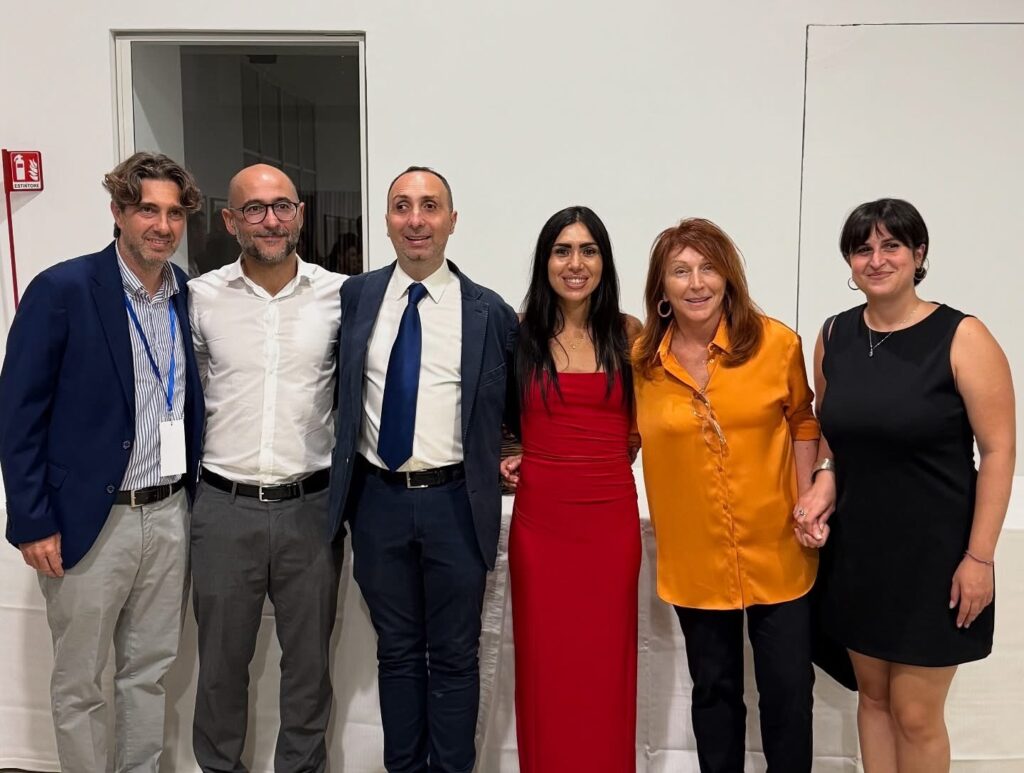
Alice is looking forward to celebrating her thesis defence with her family and the people who made her work possible: her patients and their loved ones. These important individuals are not just a means to an end to Alice. They are not represented by a qualification after her name. They are represented by Alice’s lifelong and genuine intention to support the FXS community. She has many dreams-, among them is to open up a dedicated space in her university specialising in FXS care. She also wants to explore how her research can help people living with other intellectual disabilities. But above all, she dreams of a future where researchers and practitioners adopt compassion as a core value and connect with their patients as a fellow human who cares.

