
- Naujienos
- |
- Moksliniai tyrimai
FraXI endorses upcoming textbook on understanding rare neurodevelopmental conditions by Prof Linda Gilmore
Published: 27 Lie 2026
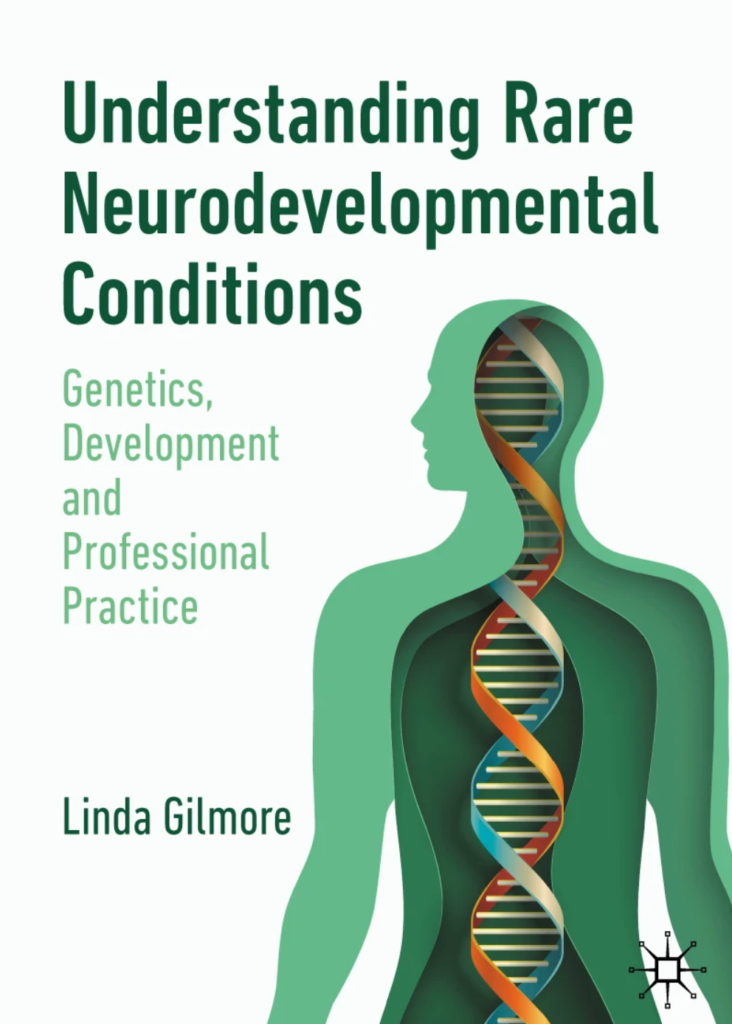
Material on compassionate approaches to rare conditions is, well, rare. And this should not be the norm. 300,000,000 people across the world live with a rare condition, and this is no small number! Rare conditions affect a lower number of people than other conditions do, but this does not and should never warrant a narrative that promotes the non-existence, invisibility, and lack of commitment towards supporting the community of people living with rare conditions.
FraXI is proud to endorse a new textbook by Prof Linda Gilmore titled Understanding Rare Neurodevelopmental Conditions: Genetics, Developmental Outcomes and Professional Practice due to be published by Palgrave Macmillan Cham in September 2026. Linda is a developmental psychologist and Adjunct Professor at Queensland University of Technology in Brisbane, Australia with more than three decades of experience in the field of developmental disabilities, spanning university teaching, research and clinical practice.
Taking on a compassionate approach to understanding the genetics of rare neurodevelopment conditions with clear, accessible explanations that assume no prior biology knowledge and support learning, Linda’s book offers clarity about the genetic and ethical dimensions of rare neurodevelopmental conditions, including modern genomic testing. She supports evidence‑based practice with practical family centred insights grounded in real cases.
Linda was inspired to write this book due to her experience as a teacher of psychology. After borrowing from basic genetics to enrich her teaching, she found that psychologists needed at least a foundational understanding of genetics to work effectively and compassionately with individuals with neurodevelopmental conditions. Linda also saw that the lives of individuals with such conditions were inseparable from the connections they have with their families, and other professionals involved in their care. She decided to also involve them in her target audience, as she was disappointed to find that no textbook explained genetics clearly and accessibly for non-geneticists, with relevant applications to a range of neurodevelopmental conditions. Thus came about the idea to write her own book that “offers something for everyone” as a nod to the many amazing families who inspired her by sharing their stories.
FraXI itself is not just for professionals- we are for everyone who wishes to support someone living with FXS by understanding their condition better. When we came across Linda’s upcoming book, we were overjoyed to see that she shared our vision. She writes for families, service providers, policymakers
and anyone interested in understanding how genetics influence human development. In 8 chapters, Linda takes us through the genetic foundations of rare neurodevelopmental conditions (Chapters 2 and 3), the evolving technologies that enable diagnosis (Chapter 4), the importance of developmental perspectives (Chapter 5), and the diversity of neurodevelopmental outcomes (Chapters 6 and 7) and family experiences (Chapters 8 and 9). Linda maintains a simple style of writing throughout her book, and even complex medical terms are explained in a way that anyone may be able to understand.
In writing this book, Linda wishes to increase knowledge and understanding of rare and ultra-rare neurodevelopmental conditions and their genetic mechanisms in clear and accessible
Language. She hopes to translate research evidence into practice guidelines for professionals, and most of all, to promote empathy, acceptance and inclusion for individuals and families who live with rare neurodevelopmental conditions.

