
Зміст:
Diagnostic Process
Fragile X Syndrome (FXS) is diagnosed through genetic testing. Testing of an individual with suspected FXS is usually done through taking a sample of blood which is sent to a laboratory to test which form of the FMR1 gene is present. It is also possible to diagnose using saliva or buccal swabs, which are easier to collect. Ask a health professional, such as a pediatrician, family doctor or genetics clinic for advice. Please see Clinics by Country for links in your area.
Testing for FXS in children is usually considered when there is evidence of delayed developmental milestones (such as delayed speech and language, social and emotional difficulties, sensitivity to certain situations, and sometimes delays in motor skills, such as learning to walk), and where there is a family history. The average age of diagnosis is 36 months for boys and 42 months for girls. However, early intervention will help to support a child long term, so getting a diagnosis should be done as soon as possible where FXS is suspected.
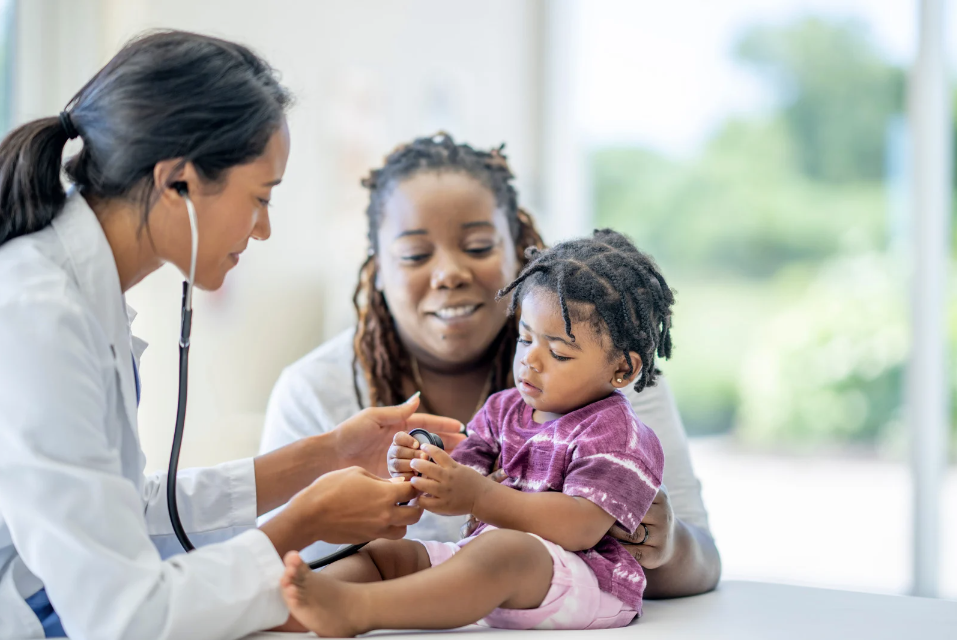
A healthcare provider, paediatrician, or therapist can assess the child for developmental delays, after which a healthcare provider can then refer families to a geneticist who can perform a genetic test for FXS. Additionally, a referral to a genetic counsellor may be made to talk families through the process and offer support. Diagnosis is considered in pregnant women where the mother has either a known FMR1 premutation or FXS, or there is a family history of FXS. Prenatal testing can be done either via amniocentesis where a sample of the fluid surrounding the baby is taken for testing, or chorionic villus sampling where cells from the placenta are taken for testing. Both of these methods test for alterations in the FMR1 gene. The risks and benefits should be discussed with a healthcare provider before testing occurs.
Diagnostic Codes
Diagnostic codes are a way of identifying conditions. Among these are the ICD-10/11 (International Classification of Diseases) and ORPHA-Code (Orphanet naming system). Currently the ICD-10 is used but is being replaced by a newer ICD-11 edition. These codes are important to ensure that individuals with Fragile X Syndrome (FXS) are able to access therapies and treatments.
For Fragile X Syndrome the codes are:
- МКХ-10: Q99.2
- МКХ-11: LD55
- ORPHA-код: 908
As well as the codes for FXS it is important for the codes for any other conditions to be in an individual’s health records. Other conditions are frequently diagnosed alongside FXS such as аутизм, СДУГ and epilepsy, all of which have different therapies and interventions specific to that condition. All the relevant codes are used by professionals to allow for multi-disciplinary support and interventions.
Next Steps After Diagnosis
Receiving a diagnosis of Fragile X Syndrome (FXS) can be an overwhelming experience. However, it often gives families access to many options for support and assistance, including accessing a community with other families going through similar experiences. Usually the first step following a diagnosis is explaining the condition to family and friends. It can be important to explain the diagnosis to family because of the way FXS is inherited, which means other family members may have the FMR1 premutation або FXS. Once a diagnosis is made, relatives can then be tested supported for those with either the FMR1 premutation or FXS. This diagnosis in the extended family is called ‘cascade testing’. The level of cascade testing can vary between countries — some health systems trace family members for premutation testing and test siblings, but other health systems test other children in the family only if they are symptomatic for FXS, with testing of non-symptomatic children delayed until they are adults.
When an FXS diagnosis has been received, the next steps are to begin implementing support for both the individual(s) with FXS and those who care for them. As every individual with FXS will experience a unique range of symptoms it is important that the support and therapies put in place are appropriate on a person by person basis. More about the therapies available to help manage symptoms is available in the individual sections on ‘Немедикаментозні методи лікування синдрому крихкої Х-хромосоми‘.
Advice for Medical Professionals Delivering a Diagnosis
Many families will have been seeking a diagnosis for their loved ones for some years. Therefore finding answers to what they have experienced is an important milestone in their journey, bringing an end to one element of the uncertainty. The way a Fragile X Syndrome (FXS) diagnosis is delivered can have lasting impacts on families and how they move forward to accessing the help available to them.
An in-person diagnosis is often the most helpful to families and allows them to ask any immediate questions they have. It is likely to be an emotional experience for everyone involved, therefore the wording used when delivering a diagnosis is very important. Non-medical language and words which do not stigmatise the condition should be used as this may be the first time the family have heard of FXS. Therefore, focussing on the negatives is not helpful. While children with FXS will face challenges, they are likely to be kind, helpful, honest and empathetic. We have our own section on the strengths of those living with FXS. Highlighting these positive traits often found in individuals with FXS can help families to build a ‘full picture’ of their loved one beyond their diagnosis. A referral to a genetic counsellor should be made as relatives of the person diagnosed with FXS may have either FXS or a Fragile X Premutation Associated Condition (FXPAC).
Much of the medical literature associated with FXS contains harmful and insensitive language. Delivering a diagnosis which does not focus on the negatives and does not use offensive language will help families to come to terms with the diagnosis rather than seeing it as something devastating. Allowing a dialogue between medical professionals and families will help families to gain a better understanding of FXS and the effects it will have on their loved one. As FXS has a wide range of symptoms which vary from person to person, it is helpful to go through the actual symptoms which have been observed in their child with families so they have a better idea of how FXS affects their child specifically. Children with FXS often have other conditions alongside FXS such as аутизм, СДУГ and epilepsy which may need additional appointments to discuss treatment and therapy options.
Signposting families to resources is a helpful place to start. Many countries have their own Fragile X family association (see the section ‘Сімейні асоціації за країнами’) which will help families access the help available to them. In cases where there is not an association, there might be an unofficial group of parents (Зв'яжіться з нами for more information) or information in your language from a Fragile X organisation in another country which speaks the same language. Pointing families to Fragile X family associations can help them feel less alone and enable them to make contact with other families who share similar experiences.
Often there is a lack of integrated help and guidance available to families which can mean it ends up falling on them to find support for their loved one with FXS. This should be avoided by explaining the types of support and therapies available (including medical, educational, and social) and putting together a plan for the next steps following a diagnosis.

