
Physical therapies are often used to help to improve symptoms which have physical effects. Both Fragile X Syndrome (FXS) and Fragile X Premutation Associated Conditions (FXPAC) have physical symptoms which may benefit from physical therapies.
Gross motor skills refer to large sweeping movements made with the arms, legs or torso.
Fine motor skills refer to skills involved in smaller movements that occur in the wrists, hands, fingers, feet and toes.
Children with FXS are often diagnosed after missing developmental milestones. Missed milestones in early childhood may include walking, crawling and other gross motor skills. Referrals can be made to physical therapists to help improve a wide range of areas including low muscle tone, balance, gross motor skills, fine motor skills and sensory regulation.
The therapist will first assess the person with FXS to identify the areas which could benefit from targeted therapies. It is important to keep up with any exercises given to do at home to give the best chance of the therapies making a difference. At different stages in development, different issues may arise. For example, an older child may wish to learn how to throw a ball or ride a bike. Continual assessment as the child grows is important, and knowing that physical therapy might help an adult is worth keeping in mind.
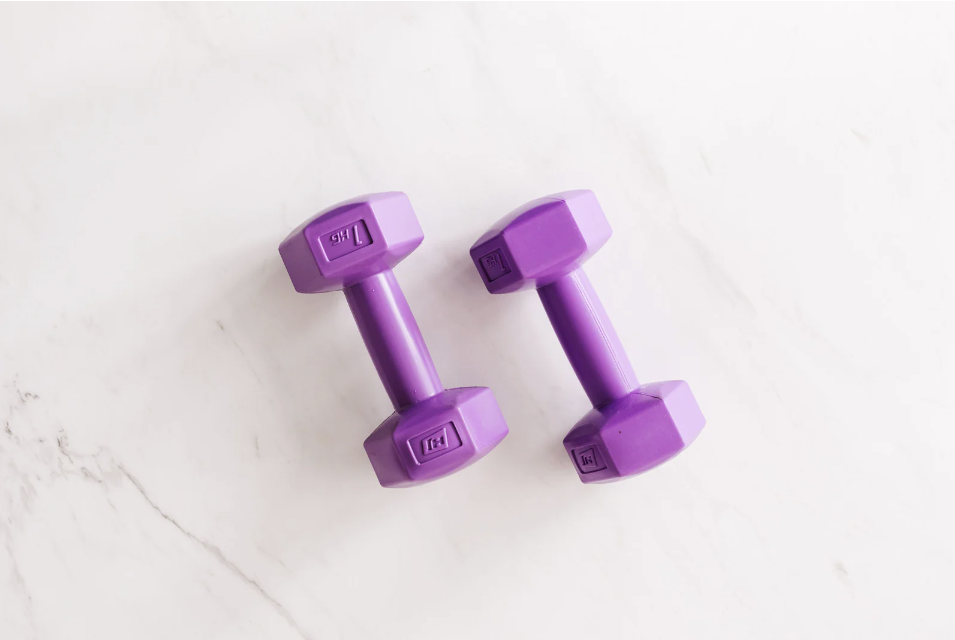
Low muscle tone is common in people with FXS. Often the main physical therapy for helping with this includes strengthening exercises and stretches. Slowly building up muscles will help with overall mobility through repetition. Hypermobility can also be an issue, which can be helped by strengthening the muscles around the affected joints and sometimes orthopaedic supports.
Proprioception refers to recognising where the body is spatially. For children with FXS this may be harder to sense. Work on balance and motor skills can help to increase a person’s awareness of their position compared to their surroundings. Understanding where one’s body is in space can affect coordination and action, so it is worth making teachers, support workers and carers aware that this may be an issue.
Exercises are used to help with these issues, and repetition is important. Exercises may be targeted to specific muscle groups or aimed at the whole body. Gross motor skills and balance have similar exercises and one exercise may help both skills. Fine motor skills are helped by the movement of often small objects, and practicing movements such as pinching and isolated finger movements.
Working on areas of physical mobility will help the person with FXS to develop their skills, build confidence and become more independent. Involving teachers, support workers, carers and others around the person with FXS will help the exercises become a normal part of daily life. The physical therapist is the best person to voice concerns to and ask for advice. Keeping up with the exercises prescribed will give your loved one the best possible chance to progress.
Gross and fine motor skills at home and at school (including dressing and writing) are covered in our section on ‘Occupational Therapy‘.
Reference: Three Faces of Fragile X

